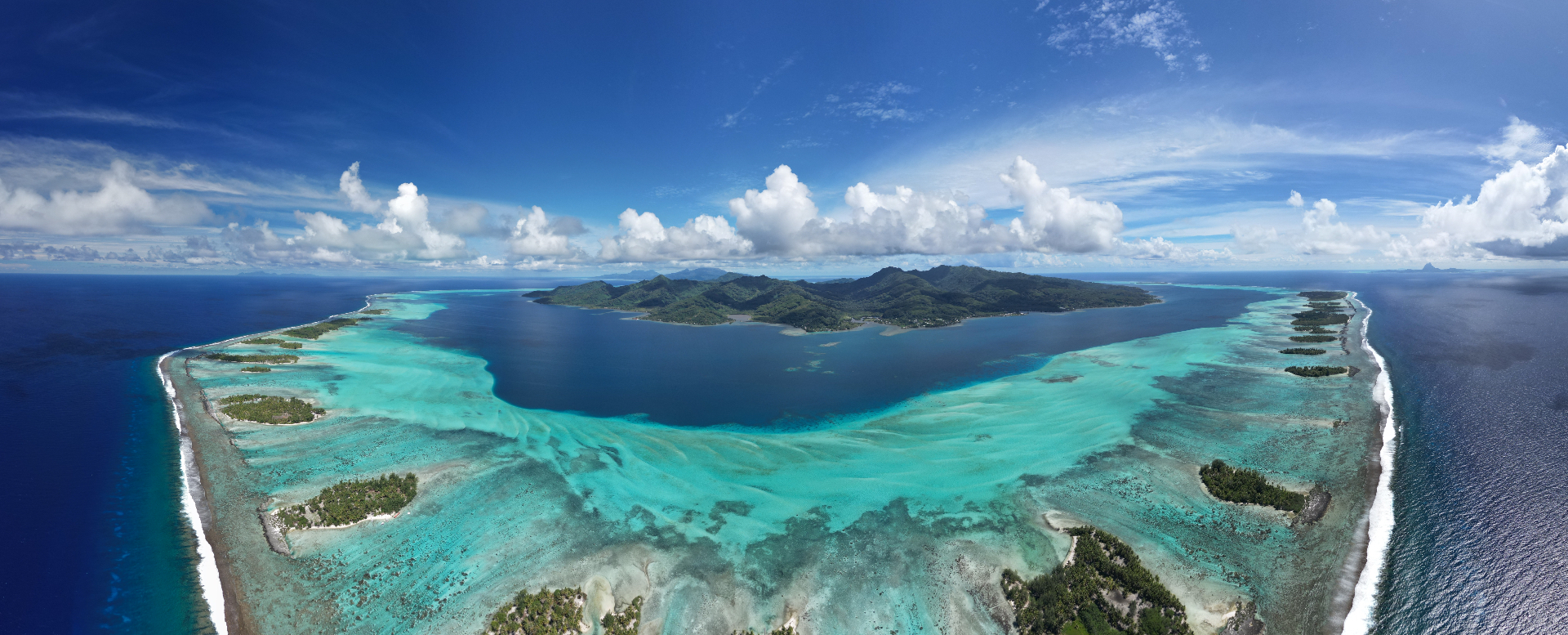
The first time I snorkeled the coral garden in Bora Bora, I came back to the boat thinking I'd been oversold.
The water was clear. The coral was fine. A few fish. Nothing that matched the photographs I'd seen or the stories I'd heard. My guide had dropped our group near the lagoon, pointed at the water, and that was more or less the extent of the instruction. We floated around for a while and got back on the boat.
I almost didn't go back.
A few days later, the same coral garden came up on the itinerary again. I said no at first. Why return to the same lagoon where I hadn't seen much? What was going to be different?
The answer came from someone I hadn't expected — a local marine biologist joining us that afternoon. She asked where exactly we'd entered the water the first time. When I described it, she smiled in the way that people do when they understand exactly what went wrong.
We had been dropped off at the end of the current.
Why does the entry point matter?
Here is what I didn't know the first time, and what most visitors never find out at all.
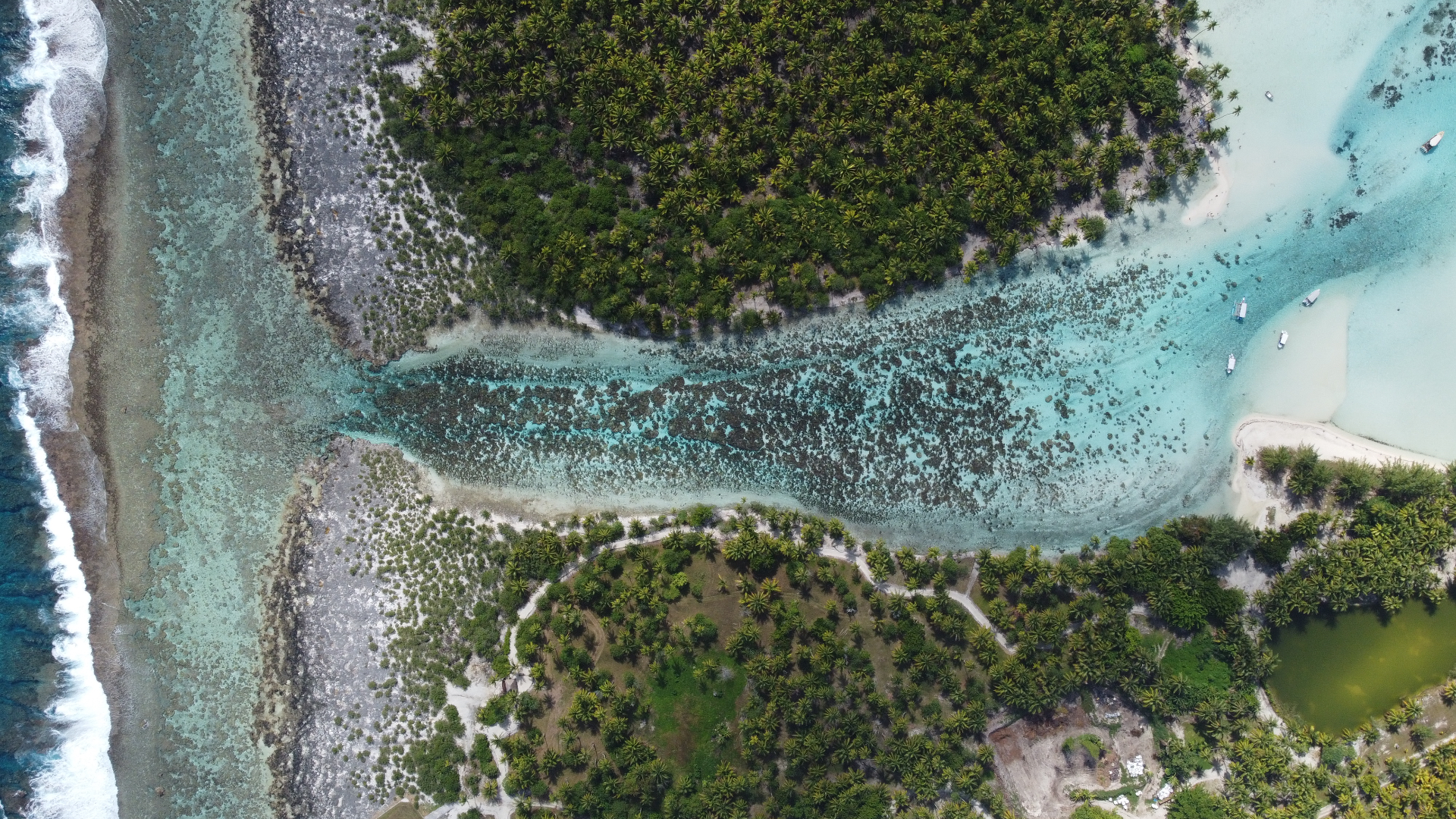
The coral garden is a drift snorkel. It's designed — by the ocean, not by tourism — to be experienced from beginning to end, carried by a natural current that flows through the lagoon in one direction. You enter at the start of the current. The water does the work. You drift over the reef, through the marine life, and the lagoon reveals itself at exactly the pace it was built for.
When you enter at the wrong end, you're fighting the current without knowing it, seeing what's left after the experience has already passed, and wondering why everyone else seems so impressed by something you found ordinary.
That afternoon, with the marine biologist beside us, we found the right entry point and slipped into the water there.
It was not the same lagoon.
Which direction does the current run?
A natural drift runs through the lagoon in one direction, and it's the whole reason the entry point matters. Done properly you don't swim at all — you float and the reef moves past you.
Which end is the start depends on the day. Tide, wind, and the shape of the lagoon all shift the current slightly, so the right entry point isn't a fixed coordinate. This is the thing to ask before you get in — if your guide can't tell you where you're entering and why, that's your warning sign.
Enter at the wrong end and you spend the swim fighting the drift without realising it, seeing what's left after the good part has already passed you.
The difference between my first experience and my second was not the destination. It was the knowledge of one local marine biologist who knew where the current started. That single variable turned a forgettable float into an afternoon I've never stopped thinking about.
When I build French Polynesia itineraries, the guide question is not an afterthought. Not a general-purpose guide covering multiple activities across multiple islands — but someone with specific, local, marine knowledge for the exact experience my client is doing. In Bora Bora's coral garden, that distinction is the difference between two completely different afternoons.
What does the drift feel like?
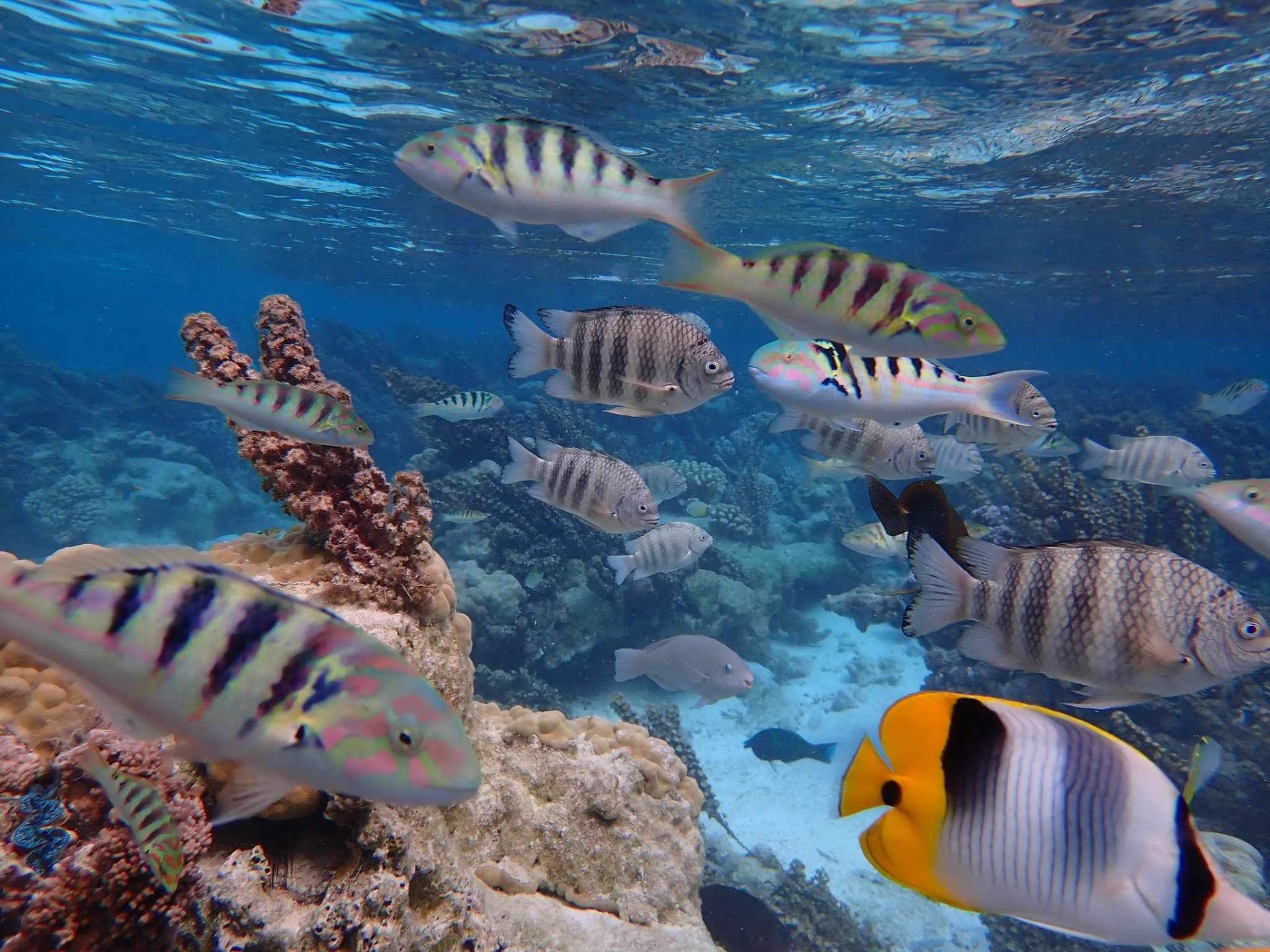
You stop swimming. That's the first thing. You relax your body and the current takes you. Beneath you, the reef unfolds — not as a static backdrop but as a moving landscape, each section giving way to the next as you drift through. The fish don't scatter when you approach because you're moving with the water, not against it.
The drift takes maybe fifteen minutes from entry to exit. It's not long. But I went back four times that afternoon.
Each pass carried me on a slightly different path — a different angle over the same reef, different light, different fish in different positions. Each time was genuinely different from the last. By the fourth time I knew I wasn't going back for novelty. I was going back because it was one of the most purely pleasurable physical experiences I'd had in years of travel.
I still think about it. I know I'll go back someday.
What do you see along the way?
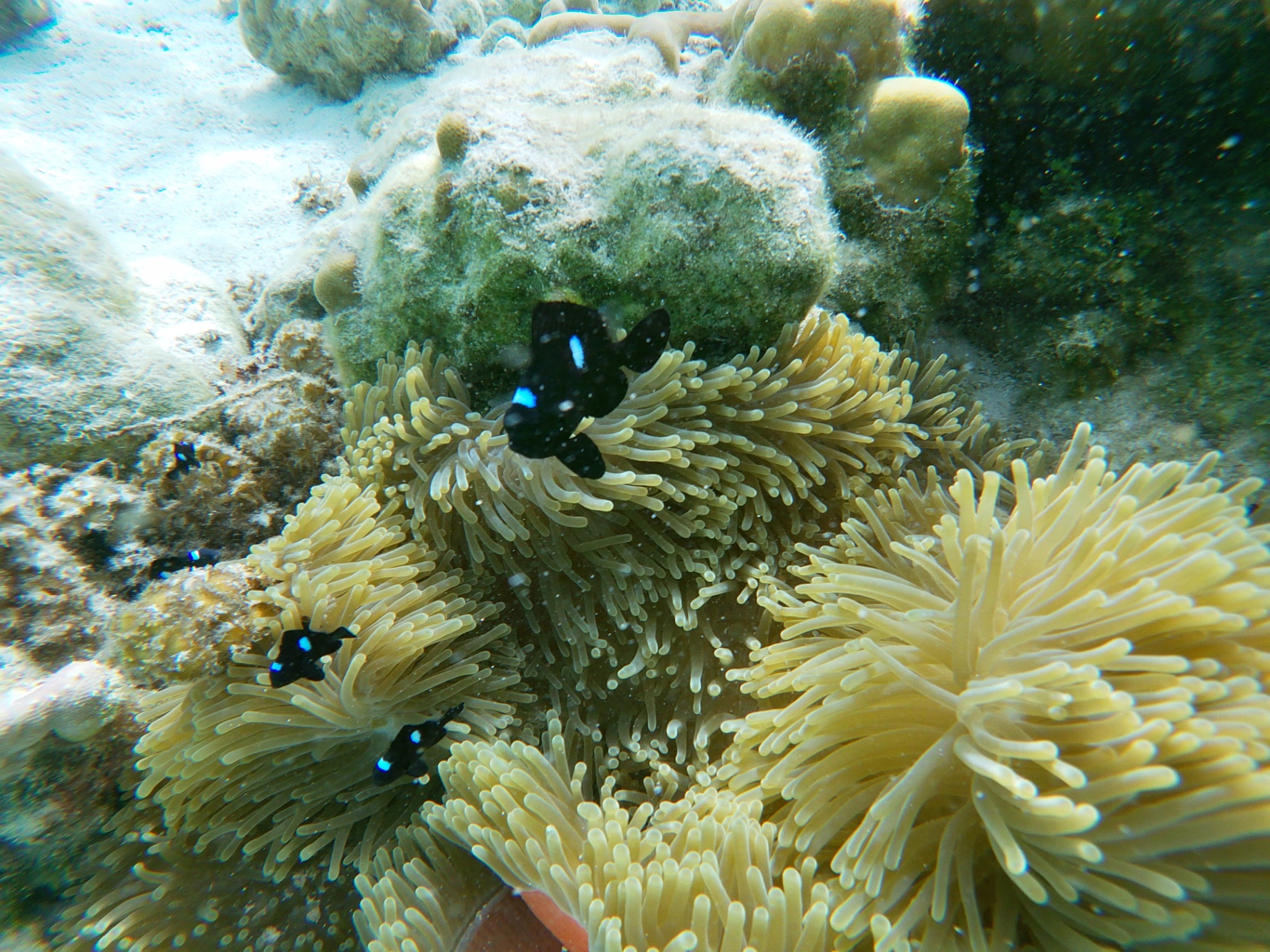
The reef supports a wide variety of tropical fish as well as coral formations in multiple colors and textures. The density and variety of fish life over the reef during the drift is unlike anything I'd seen snorkeling elsewhere.
Because you're drifting rather than chasing, the fish stay calmer and the scene feels less staged. You see the reef as it actually lives — not as a snapshot you have to chase down.
This is also why excursion infrastructure matters when choosing a cruise line for this region. A ship that provides curated, locally-knowledgeable guides delivers a categorically different experience from one that outsources to whoever's available at the pier. It's one of the reasons I trust Silversea's approach for French Polynesia — the excursion quality is part of the product, not an afterthought.
What should you bring?
You don't need to be a strong swimmer. The current does the work, so you simply float and enjoy the experience. What you do need is a guide who can tell you where the current starts today, and a mask and snorkel that fit well enough that you forget about them.
Bring patience more than gear. The coral garden is not a long excursion, but it's one that rewards attention — watching the same reef from a slightly different angle each time, noticing how the light changes the color of the coral, letting the drift show you something you would have missed if you'd been swimming.
And bring the right question: where exactly do we enter the water, and why there? A guide who answers specifically and confidently knows what they're doing. A guide who gives a vague or generic answer is likely to drop you at the wrong end of the current.
If snorkeling in Bora Bora is on your French Polynesia list — and it should be — that's exactly the kind of detail I build into an itinerary before my clients arrive. The experience is there. You just have to know where to start.
Have you ever had a travel experience that completely changed when you had the right guide or the right local knowledge? I'd love to hear about it — and to help plan the next one.